
THC vapes for pain relief UK
Understanding THC Vapes and Their Role in Pain Research
Buy THC Vape UK. As interest in cannabis-derived products continues to grow, many people have questions about THC vapes for pain relief. Researchers are actively studying how tetrahydrocannabinol (THC), one of the primary cannabinoids found in cannabis, may affect the body’s pain signaling systems. While some individuals report using THC products to manage discomfort, scientific evidence remains mixed, and more research is needed to fully understand the potential benefits, risks, and long-term effects.
This guide provides educational information about THC vapes, current research, and important safety considerations. It is not intended as medical advice or a recommendation to use THC products for any health condition.
What Is THC?
Buy 2g Carts UK. Tetrahydrocannabinol (THC) is the primary psychoactive compound found in the cannabis plant. It interacts with the body’s endocannabinoid system (ECS), a network of receptors involved in regulating functions such as mood, appetite, memory, sleep, and pain perception.
The two primary cannabinoid receptors are:
- CB1 receptors, found mainly in the brain and central nervous system.
- CB2 receptors, found primarily in immune cells and peripheral tissues.
Researchers believe THC’s interaction with these receptors may influence how some people perceive pain, although the exact mechanisms continue to be investigated.
What Are THC Vapes?
THC vapes are devices designed to vaporize formulations containing THC, producing an inhalable aerosol rather than smoke. Common formats include:
- Disposable vape devices
- Rechargeable vape pens
- Prefilled cartridges used with compatible batteries
The design, ingredients, THC concentration, and hardware vary between manufacturers and products.
What Does the Research Say About THC and Pain?
Scientists have been studying cannabis and cannabinoids for decades. Some research suggests that THC-containing products may provide symptom relief for certain individuals with chronic pain, particularly neuropathic (nerve-related) pain. However, evidence varies depending on the condition, the product used, dosage, and study design.
Systematic reviews have generally concluded that:
- Some patients report improvements in pain symptoms.
- Results are inconsistent across studies.
- Benefits may be modest for some conditions.
- Additional high-quality clinical research is still needed.
Because of these uncertainties, healthcare providers often recommend considering the full range of evidence-based treatment options before deciding whether cannabis-based products are appropriate.
Potential Risks and Side Effects
THC affects individuals differently. Possible side effects may include:
- Drowsiness
- Dizziness
- Dry mouth
- Increased heart rate
- Short-term memory impairment
- Reduced coordination and reaction time
- Changes in mood or perception
Higher doses may increase the likelihood of unwanted effects. THC can also impair driving and the operation of machinery.
Who Should Be Cautious?
THC products may not be appropriate for everyone. Individuals should speak with a qualified healthcare professional before using THC if they:
- Are pregnant or breastfeeding
- Have a history of psychosis or certain mental health conditions
- Have significant heart disease
- Take medications that may interact with cannabinoids
- Are under the legal age in their jurisdiction
Legal Status
THC laws vary widely around the world. In some jurisdictions, THC products are available only through regulated medical programs. In others, recreational use may be legal, while many countries continue to prohibit THC entirely.
Always review the laws that apply in your location before purchasing, possessing, or using THC products.
Frequently Asked Questions
Are THC vapes approved to treat pain?
Approval depends on the country and the specific product. In many places, THC vape products are not approved as general treatments for pain, and regulations differ by jurisdiction.
Is vaping safer than smoking?
Vaporizing and smoking involve different methods of inhalation, but neither is risk-free. Researchers continue to study the health effects associated with vaping THC products.
Can THC cure chronic pain?
There is no evidence that THC cures chronic pain. Some studies suggest it may help manage symptoms for certain individuals, but results vary, and further research is needed.
Should I replace my prescribed medication with THC?
No. Never stop or replace prescribed medication without consulting your healthcare provider.


THC VAPE


THC VAPE

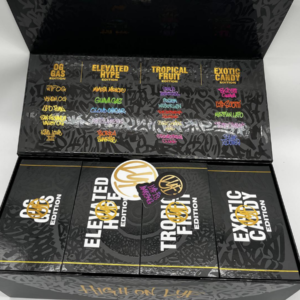
THC VAPE


THC VAPE

THC VAPE

THC VAPE

THC VAPE
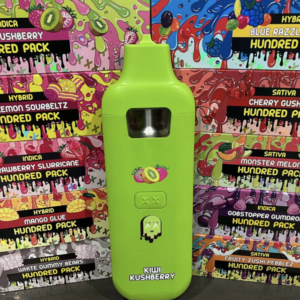
THC VAPE